
AFTER-EFFECTS OF SEXUAL BOUNDARY VIOLATIONS
Sexual boundary violations can leave traces far into adult life, in the body, in relationships and in the way you experience being in the world.
Many people live for years with after-effects without fully connecting them to what they have been through.
It may show up as unease in the body, difficult feelings in relationships, a sense of having lost contact with yourself, or a feeling of being very much in your head and far away from your body.
Therapy can be a place where you can slowly, and at your own pace, begin to explore what has been difficult to be alone with.
Here, there is space for both what is clear and what has not yet fully found words.
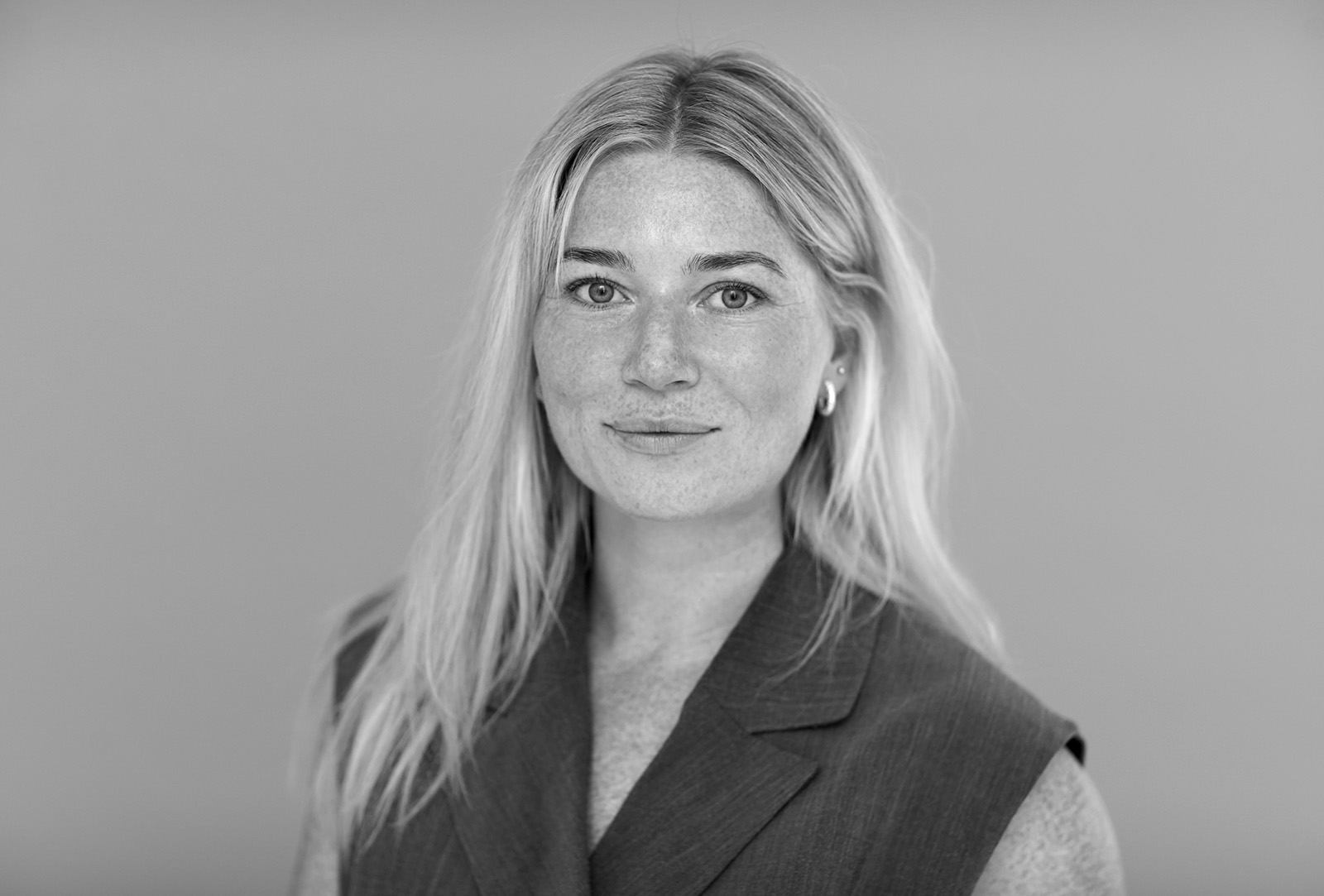
I am part of the professional network at CSM Øst, which helps adults with after-effects of sexual abuse. Many people experience long waiting times. With me, you can begin when you are ready.
AFTER-EFFECTS
Many people experience, for example:
THE THERAPY
When you have experienced boundary violations, pace and safety are essential. In therapy, we therefore work at a pace where you can stay with yourself throughout the process.
POSSIBLE OUTCOMES
When you have been exposed to boundary-crossing experiences, it can leave traces in the body, in your sense of self and in your relationships with others.
In therapy, we work to create more contact, clarity and safety within yourself.
Many people experience, for example:
Gaining deeper contact with yourself and your own needs.
Becoming better able to sense and set clear boundaries.
Being able to put words to what was previously difficult to talk about.
Finding more calm in the body and less inner restlessness.
Experiencing greater self-respect and a stronger sense of self-worth.
Feeling more free in relationships with others.
Finding the courage to say no when something does not feel right.
Experiencing more presence and being more fully here in your own life.
CLIENT EXPERIENCES
ABOUT LÆRKE
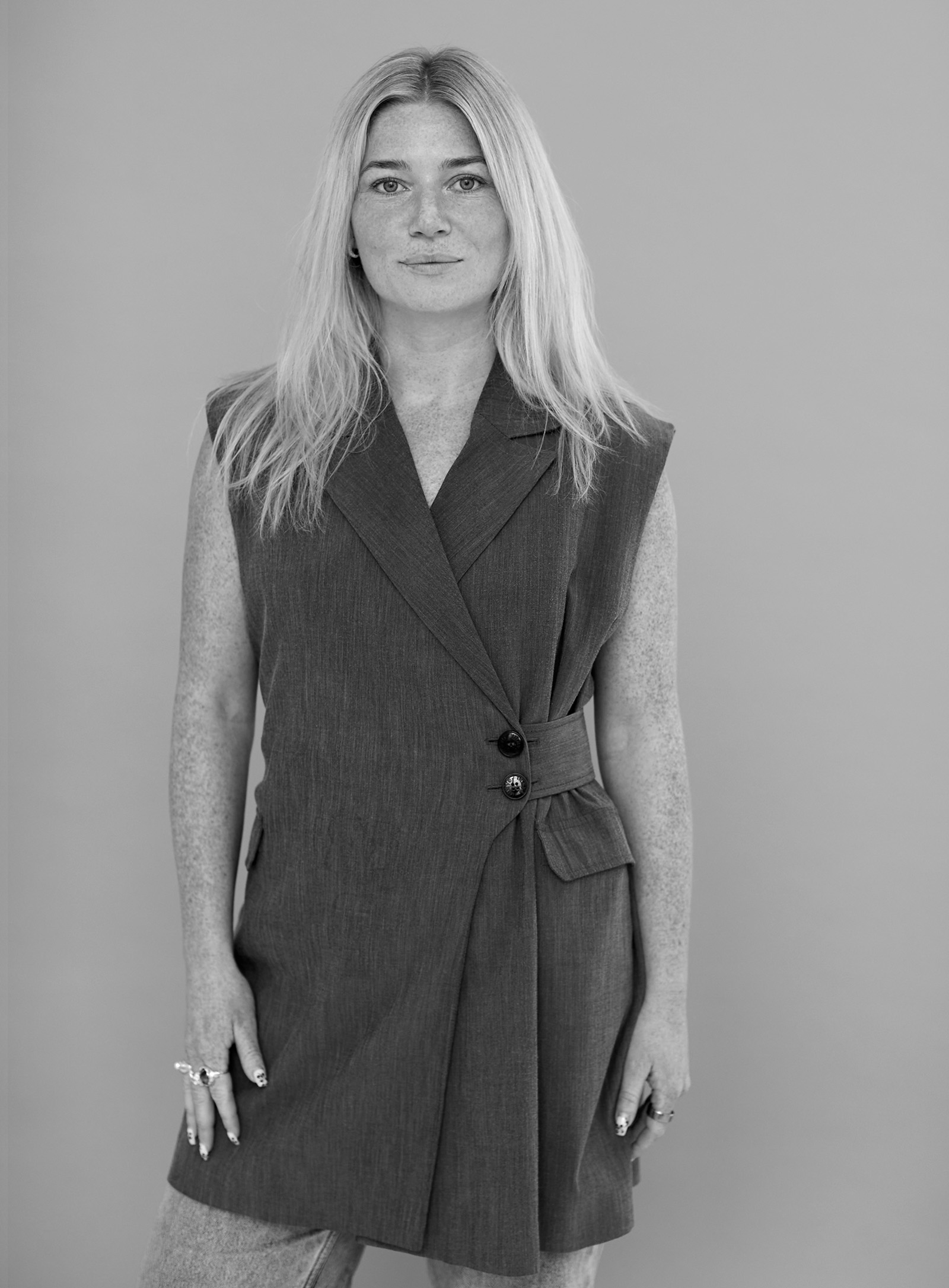
I work as a Gestalt therapist and meet people who want deeper contact with themselves and their lives.
I have experience working with people in vulnerable life situations, and I have also worked as a volunteer with CSM Øst, Centre for Sexual Abuse, where I was part of a professional network supporting adults with after-effects of sexual abuse and boundary violations.
I also have experience working with young people in school settings, where I have met young people struggling with boundaries, relationships and difficult experiences.
In therapy, I place importance on presence, respect for your pace and creating a safe space where what is difficult can be explored without pressure.
FREQUENTLY ASKED QUESTIONS
Many people only seek help many years after a boundary-crossing experience. After-effects can show up later in life, for example in relationships, in the body or during periods of stress. Therapy can therefore still make sense, even if the experience lies far back in time.
You always decide what you want to share, and when. Some people tell a lot from the beginning, while others only begin to talk about the experiences later in the process. Therapy takes place at a pace where you can feel safe, and where you always have the possibility to say stop.
It is completely normal for memories of boundary-crossing experiences to be unclear, fragmented or difficult to put into words. In therapy, you do not need to be able to tell a coherent story. We can begin with what you notice and experience today.
When we work with difficult experiences, strong feelings can arise. Therapy is a place where there is space for what shows itself. We work at a pace where you can stay with yourself throughout the process, and where there is time to pause and find your way back along the way.
Doubt can arise during any process. In therapy, we speak along the way about how the work feels for you, and how the process can best support what you want to work with.
Some people have been in relationships where their boundaries were gradually crossed through pressure, manipulation or psychological violence. This can also include relationships marked by narcissistic behaviour, where your own needs and boundaries were not respected.
Experiences like these can leave traces in the body, in your sense of self and in the way you relate to others. In therapy, there is space to explore what has been difficult for you, even when it is hard to define exactly what happened.
Many people are unsure how to understand what they have been through. It can be difficult to put words to an experience or to know whether it “counts”.
In therapy, you do not need to have all the answers. We can begin with what you notice and experience today, and slowly explore it together at a pace where you can feel safe.
GET STARTED
You can begin with an introductory session, where we meet and talk about what is taking up space for you. Here, you can sense whether the therapy and the contact between us feel right for you.
800,- kr. 395 kr.
60 min.

THE CLINIC
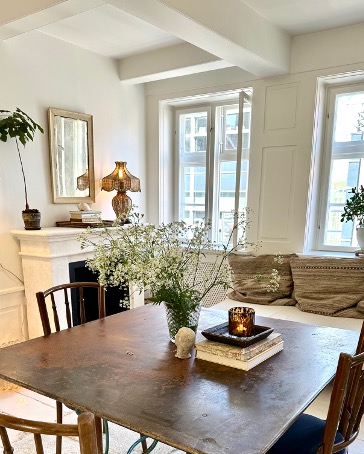
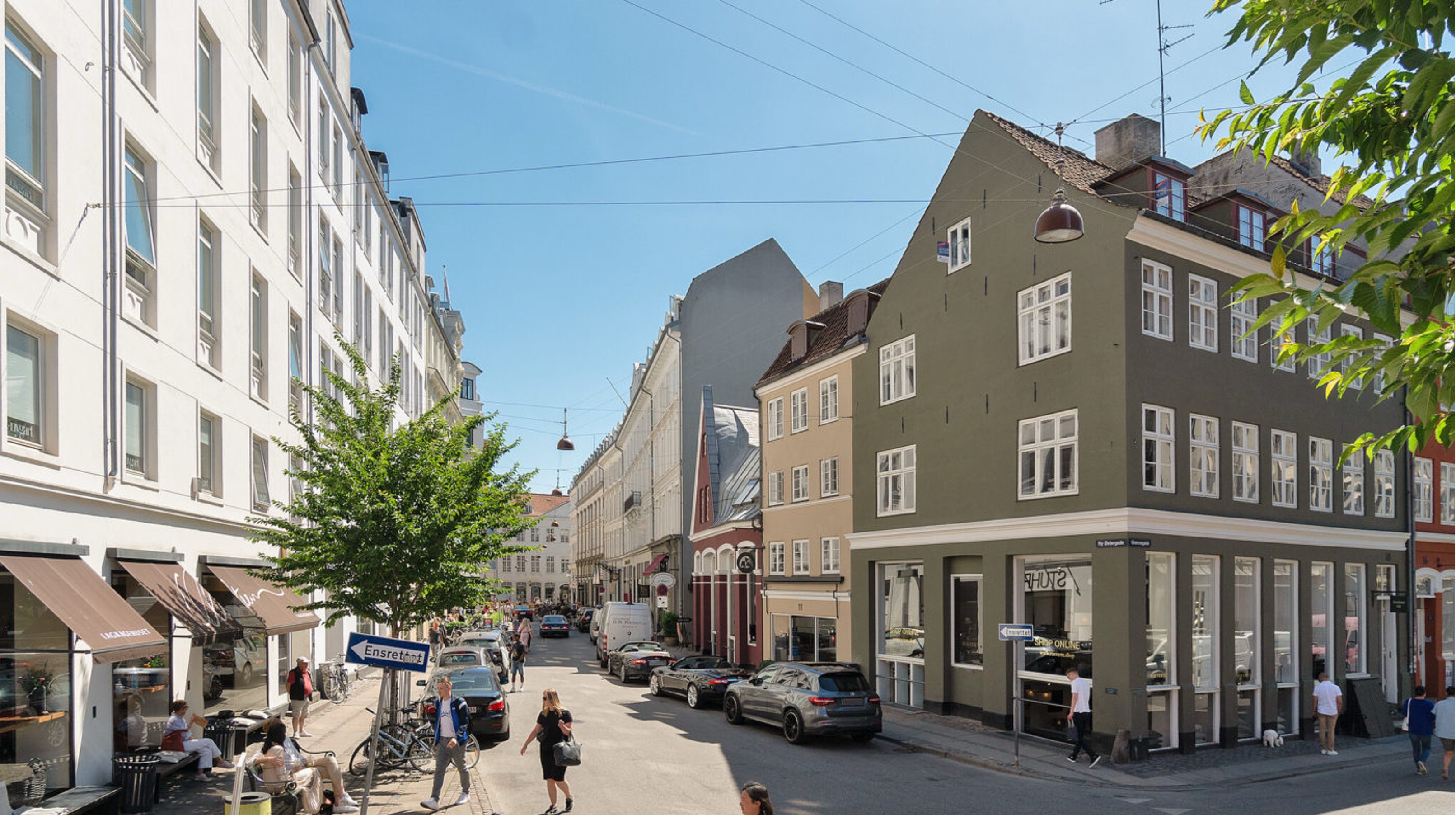
Sessions take place in my clinic in Grønnegade in Copenhagen, just a few minutes’ walk from Kongens Nytorv.
Here, a quiet and safe space has been created with room for presence and confidential conversations in calm and discreet surroundings.
Online sessions are also possible if that suits you better.
Many people come for the first time with both hope and uncertainty.
You do not need to know exactly what you want to say or where to begin.
If you are in an acute crisis or need psychiatric treatment, it may be more helpful to contact your doctor or another relevant professional first.
You are welcome to get in touch if you simply need to ask a few questions or sense whether it feels like the right next step.