WHO I AM
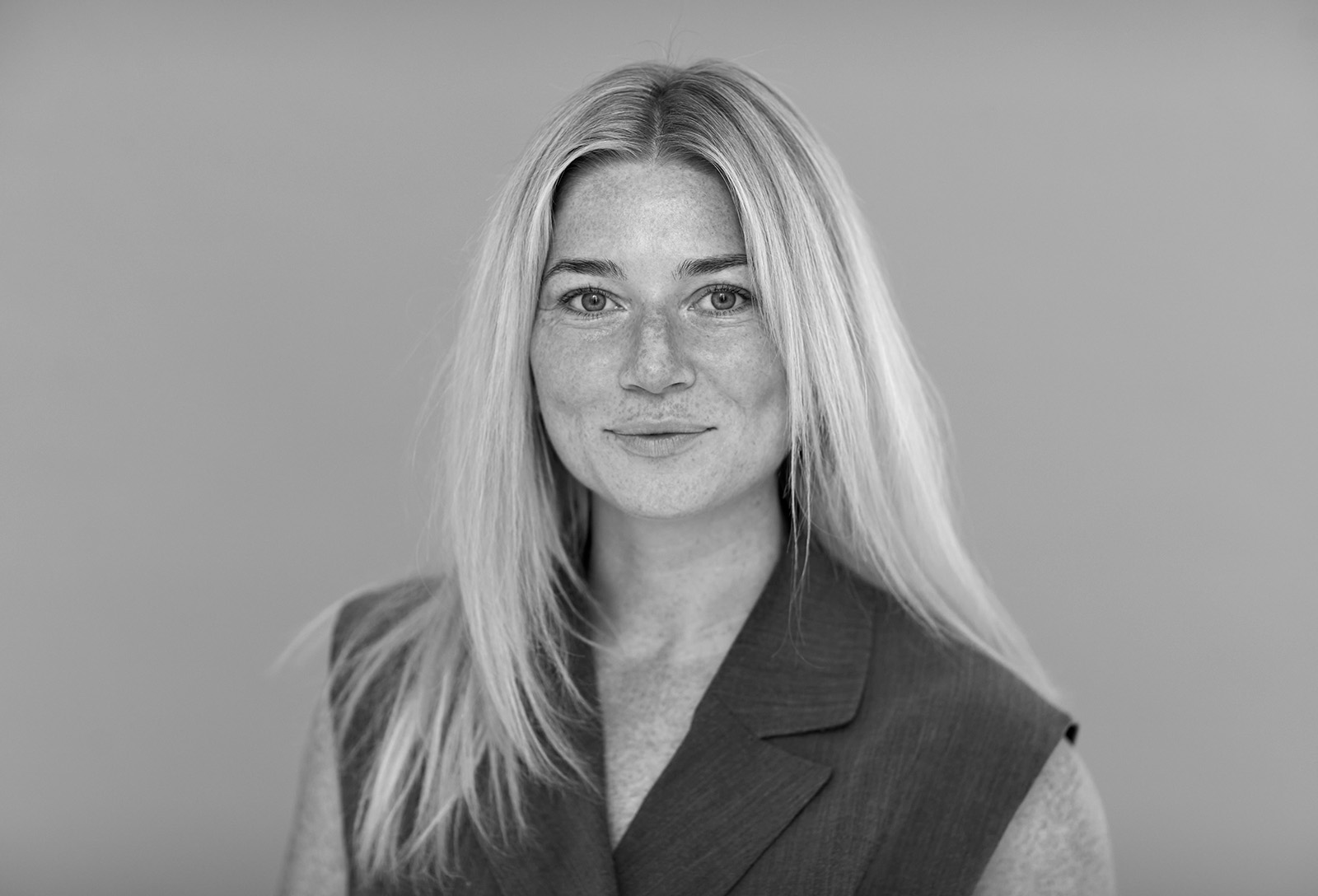
I work with people who want a deeper connection with themselves and their lives.
My path into therapeutic work began with a curiosity about people and relationships — and about how we can move from simply getting through life to actually living it.
Through my own personal work, I experienced the difference it can make to be met with presence, honesty and authenticity, and to have the opportunity to see yourself with fresh eyes.
That experience has shaped the way I work today. In therapy, I meet you as a person, with presence, curiosity and clarity. I am not focused on getting us to a predetermined destination, but on staying open to what emerges and what becomes important along the way.
For me, therapy is not about becoming someone else. It is about getting to know yourself more deeply, standing more honestly by who you are, and becoming more aware of how you meet yourself, other people and life.
THE THERAPY
What matters is not always found in the story itself, but in what happens as you tell it.
In therapy, we pause when something draws our attention. It might be a sentence you almost pass over. A physical response. A pattern that keeps repeating. Or something in the contact between us that becomes noticeable in the room.
Sometimes we talk. At other times, we pause, notice what is happening or try something out. It might be a movement, a sentence, a pause or another way of staying with what is there.
The experiments we use emerge from you and from what is happening in the room. They are not fixed exercises you have to fit into, but ways of exploring what is already taking place within you.
EXPERIENCE
For many years, I have worked with people navigating periods of change, uncertainty and challenging life circumstances.
This has given me broad experience of the many ways we respond when life changes or challenges us. My work has included relationships, self-worth, life transitions and difficult experiences – as well as the wish for greater self-understanding and a clearer sense of direction in life.
In recent years, I have worked with clients in both individual sessions and group settings, with a focus on personal development, relational patterns and greater self-awareness.
My work is supported by ongoing supervision with experienced therapists. It is an important part of my therapeutic practice and contributes to professional reflection, responsibility and continued development.
I have worked with young people in specialised boarding school and residential settings, where relational work, clarity and a sense of safety are central to well-being and development.
Experience from a setting supporting people in vulnerable and challenging life situations, where stability, respect and human connection are essential.
I volunteer with CSM East, supporting adults affected by sexual abuse earlier in life. I am part of an interdisciplinary professional environment with a focus on support, dignity and human connection.
BACKGROUND
Since 2021, I have been training in Gestalt therapy at the Gestalt Institute of Scandinavia. The multi-year programme combines theoretical study, practical therapeutic training and in-depth personal development.
The training is conducted in English in an international learning environment. I offer therapy in both Danish and English.
I have chosen to continue my training towards 2027, allowing me to deepen my work with Gestalt therapy, relational work and therapeutic practice.
A central part of the training is extensive personal development, including many hours of my own therapy and supervision. I see this as an essential part of being able to meet clients with responsibility, presence and authenticity.
The programme includes ongoing practical training in therapeutic conversations, process work, and working with relationships, emotions and bodily experience.
As part of my training, I offer therapy at a reduced rate while receiving ongoing supervision from experienced therapists.
CLIENT EXPERIENCES
QUALITY
As a therapist, I receive ongoing supervision from experienced therapists. It is an important part of my therapeutic practice and supports professional reflection, responsibility and continued development.
What you share in therapy is treated confidentially. Confidentiality is a fundamental part of the therapeutic relationship and of the trust our work is built on.
I place importance on meeting you with respect, openness and clear professional boundaries. My therapeutic work is grounded in responsibility and respect for your boundaries, choices and integrity.
Your personal information is handled confidentially and in accordance with applicable data protection regulations (GDPR).
FOCUS AREAS
People come to therapy for many different reasons. Some come with something specific they want to work through, while others want to understand themselves, their relationships or what is happening in their lives more deeply.
Here are some of the themes I often work with.
When your thoughts keep going in circles, you find it difficult to settle, or you often feel tense or on alert.
When you doubt yourself, find it difficult to recognise what you need, or tend to focus more on others than on yourself.
When the same patterns keep showing up in your relationships, or you find it difficult to recognise and stand by your own boundaries and needs.
When life changes, something familiar no longer works for you, or you find yourself needing a new sense of direction.
When you want to understand yourself more deeply, become more aware of your patterns and live more in line with what matters to you.
When experiences from the past or present continue to affect how you feel, how you see yourself or how you relate to others.
APPROACH
There are many different approaches within therapy.
My approach is grounded in Gestalt therapy. To me, this means that therapy is not only about understanding yourself intellectually, but also about becoming more aware of what is happening in your body, your thoughts, your feelings and your contact with others.
I work relationally because I see the relationship between therapist and client as an important part of therapy. This means I do not sit at a distance and analyse you. I meet you actively and as another human being in what we explore together.
In the room, I am both attentive, curious and engaged. I pay attention to what you say, but also to what emerges along the way: a response in your body, a shift in your tone of voice, a pause, a movement or something that may not yet have words.
When the body responds, there is often something important at stake. It might be a boundary, an old pattern or an experience asking to be heard.
FREQUENTLY ASKED QUESTIONS
Gestalt psychotherapy is an experiential form of therapy that focuses on how you experience yourself, your relationships and your life.
We talk about what is going on for you, but we also pay attention to what happens here and now as we talk – what you feel, think and notice, and what emerges in the contact between us.
This can help you become more aware of your patterns, needs and ways of relating, and open up new ways of understanding yourself and the choices you make.
No. You don’t need to be in crisis or have a specific problem to come to therapy.
Some people come with something particular they want to work with – such as stress, a difficult relationship or a period of change. Others come with a sense that something isn’t quite right, or simply a wish to understand themselves better.
What matters is not whether what you bring is big or small, but that it matters to you.
It can be difficult to know before we meet. An important part of therapy is the relationship between you and your therapist, and whether you feel comfortable enough to be yourself in the conversation.
A first session gives us the opportunity to meet and for you to experience how I work. You can tell me what brings you to therapy, ask any questions you have, and get a sense of whether you would like us to continue working together.
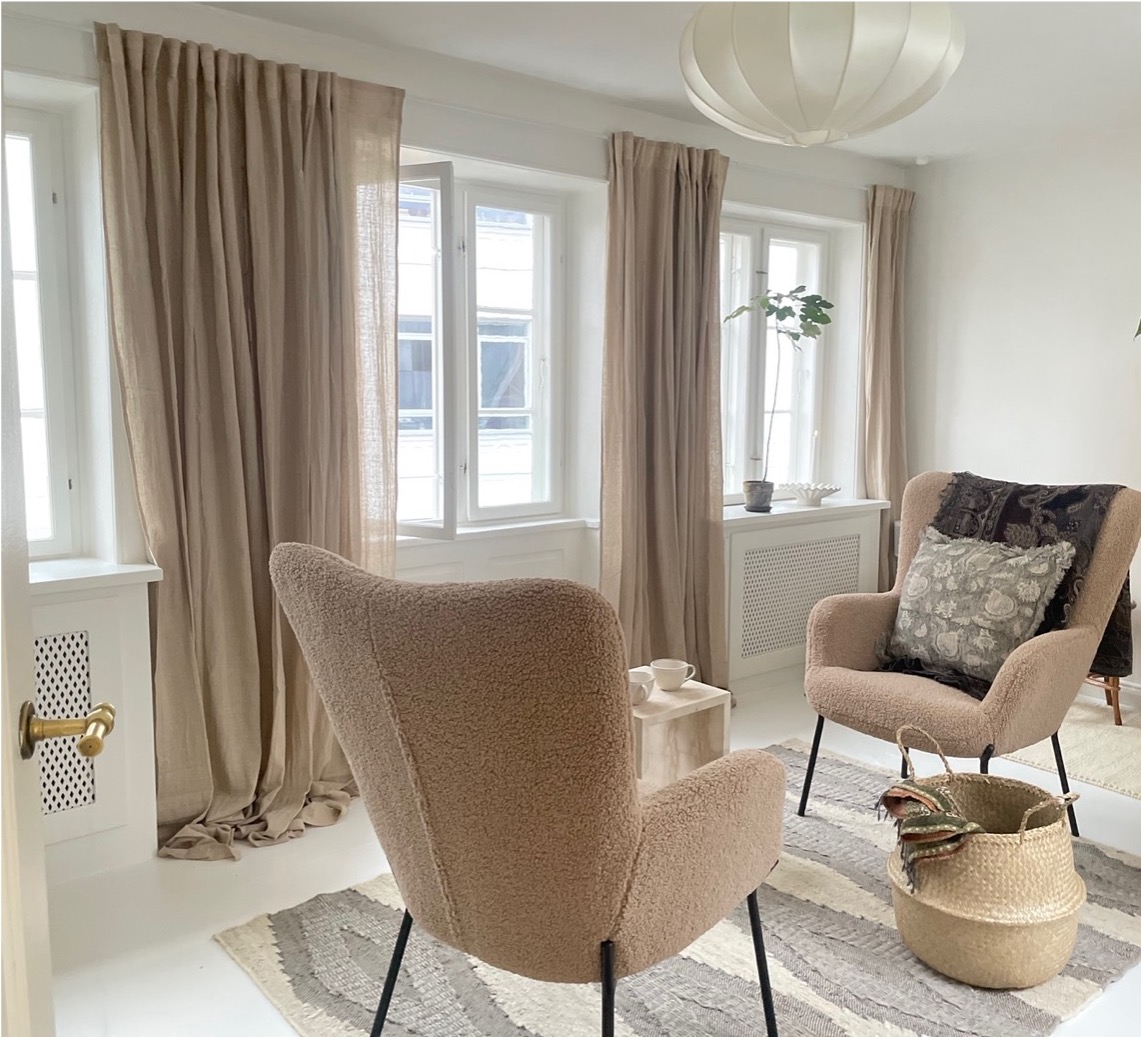
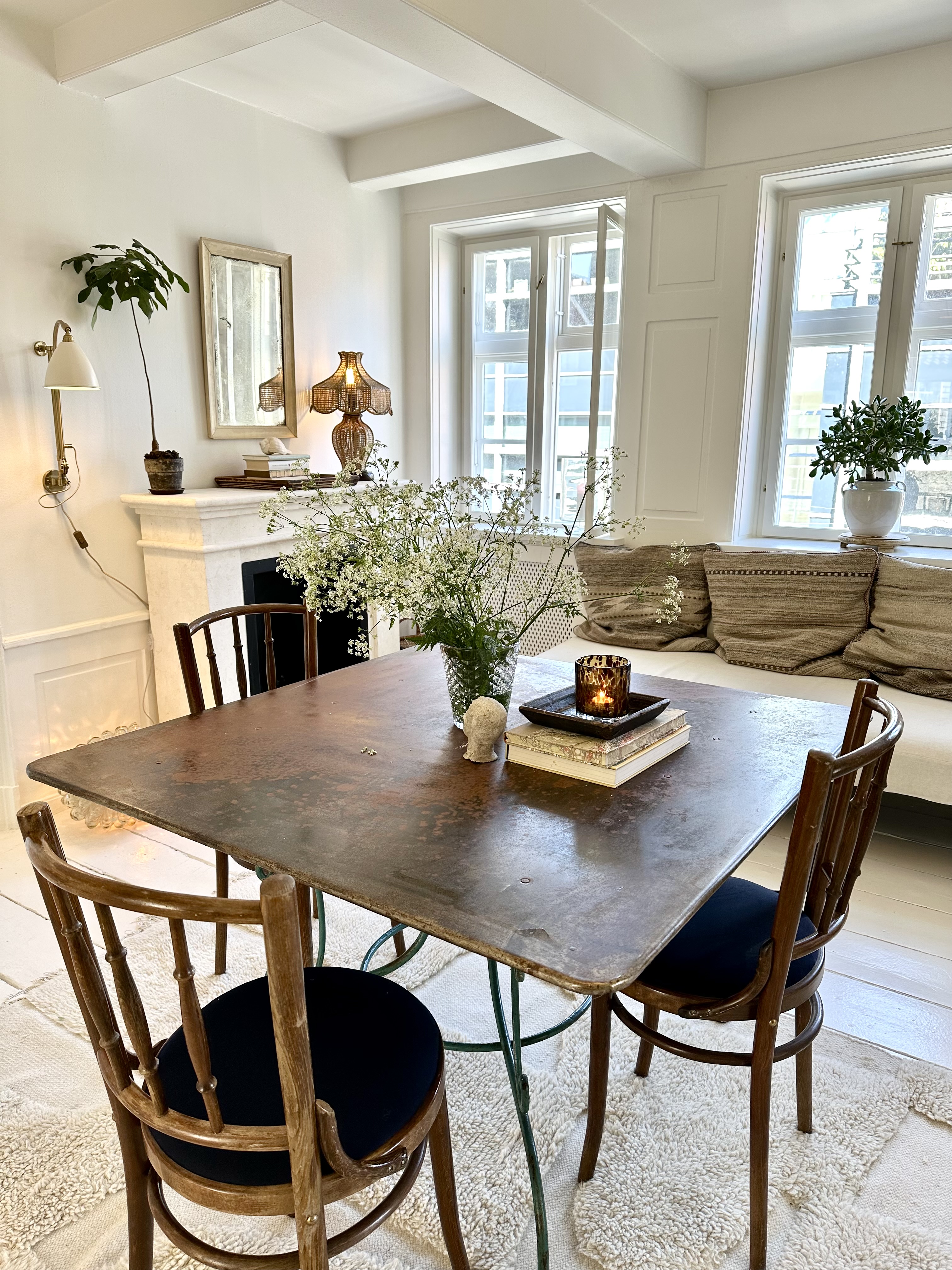
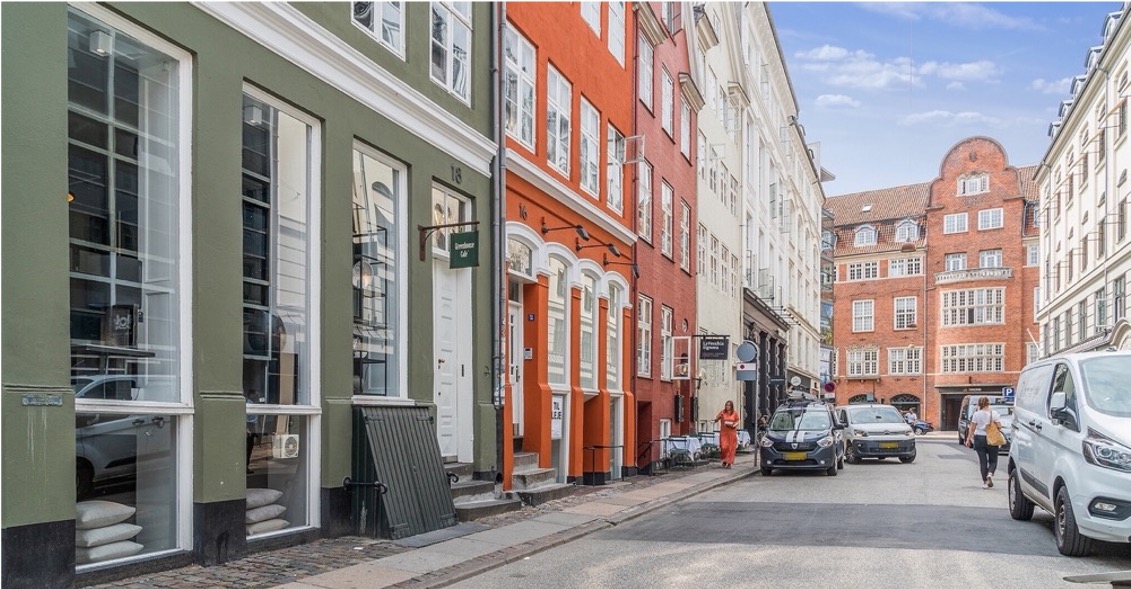
Sessions take place at my practice in Grønnegade in central Copenhagen, around an eight-minute walk from Kongens Nytorv.
I also offer online sessions if that works better for you.
Many people begin with a session once a week or every other week. How often we meet depends on you, your situation and what you want to work with.
Some people come for a shorter period, while others choose to continue for longer. We can decide together what makes sense for you.
Therapy can help you understand yourself, your patterns and your relationships more clearly. It can make it easier to recognise what you feel, need and want, and to notice where familiar ways of responding may no longer work for you.
Greater awareness can open up new perspectives and give you more choice in how you relate to yourself, to others and to your life.
You don’t need to know in advance what you want to talk about or have the right words ready.
We can begin with whatever is present – a thought, a feeling, a situation, or simply a sense that something needs your attention.
We find our way into it together.